"What about the states agreement to respect the laws of other states?"
This is a common response to bringing up the issue of unconstitutionality of licensing schemes and the discussion of providing counseling across state lines.
I've talked to you about that, right? No?
Well, here it goes.
If a counselor decides to provide counseling online to people not in his state, and the other state comes after him for practicing without a license, the response many counselors give is "what about the states' agreement to respect the laws of other states?"
Just from the get-go, any sub-surface level inspection of the concept doesn't seem to provide a straight forward answer.
The concept originates in Article IV, Section 1 of the Constitution of the United States of America, known as the Full Faith and Credit Clause. According to ConstitutionCenter.org, that article of the Constitution requires that each state give some respect to the laws of every other state.
Article IV, Section 1:
"Full Faith and Credit shall be given in each State to the public Acts, Records, and judicial Proceedings of every other State. And the Congress may by general Laws prescribe the Manner in which such Acts, Records and Proceedings shall be proved, and the Effect thereof."
I'm not sure how that's supposed to go in practicality though as each state is also able to make its own laws, which naturally will create conflict between states and laws. The Constitution Center explains that the purchase of a fishing license in one state does not apply in other states. You have to buy a fishing license in every state where you fish. Whether or not a constitutional argument could be made and hold up in court regarding that requirement is beyond the scope of this website.
The right to free speech though may be a different matter.
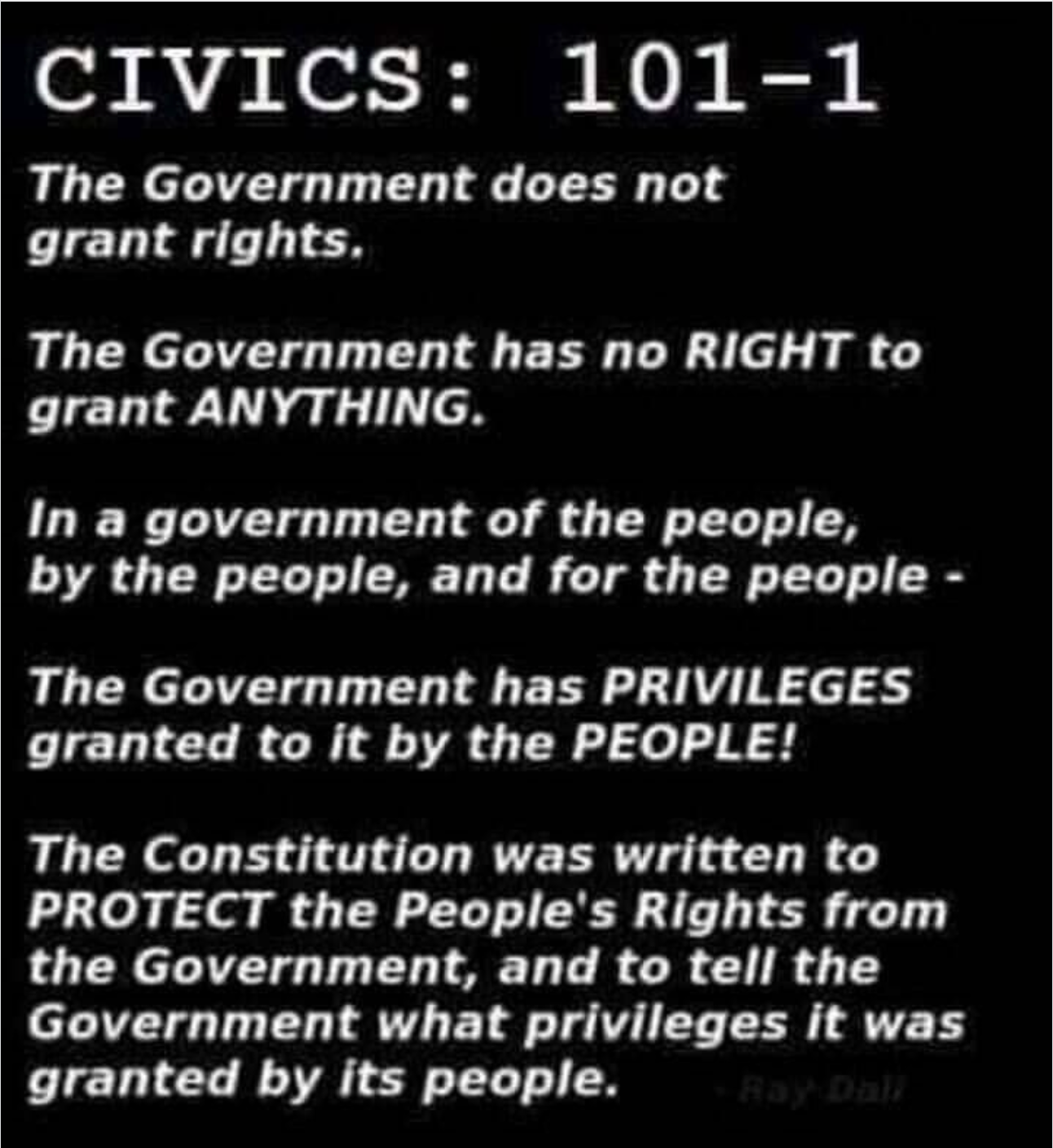
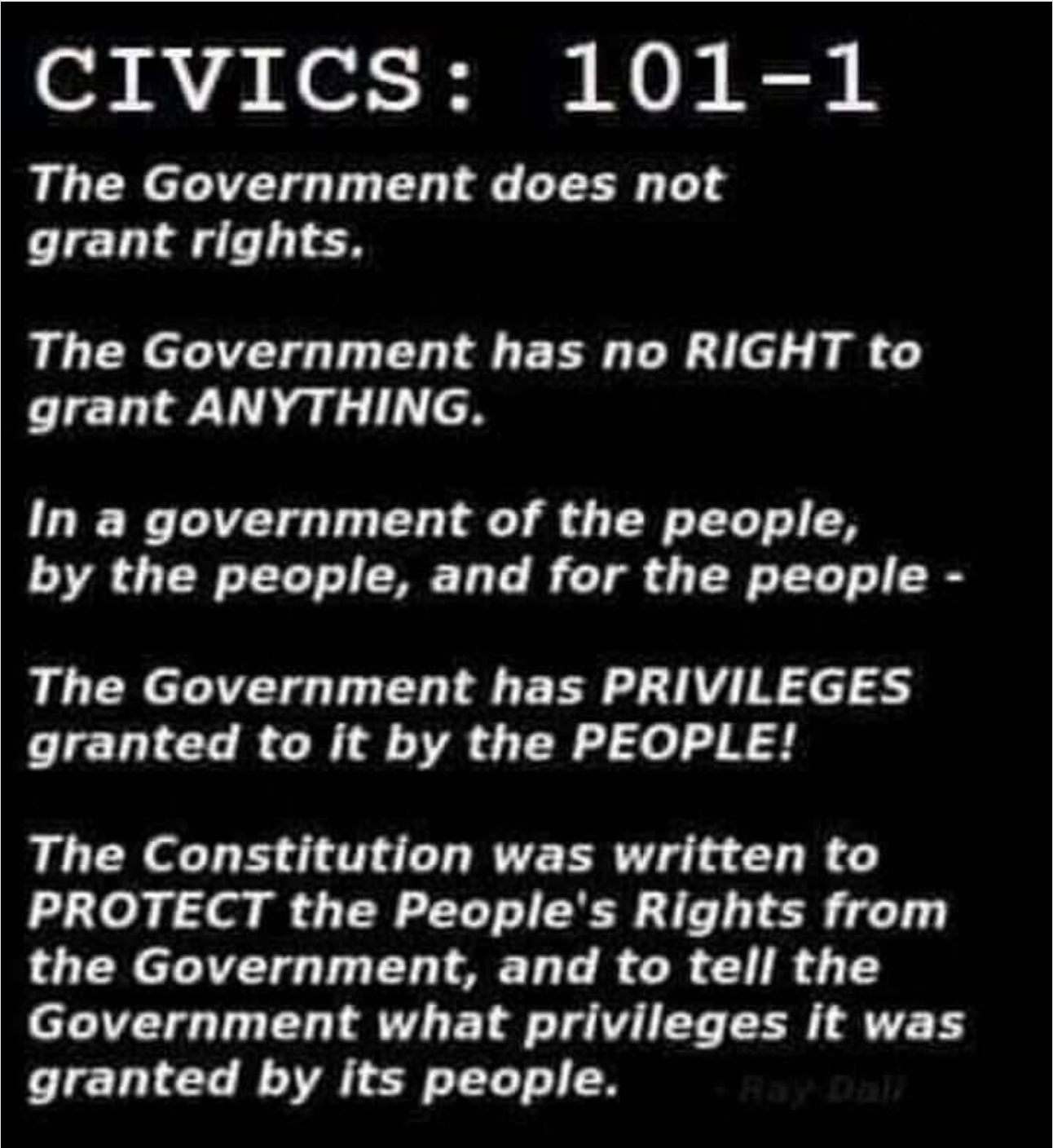
There is a very clear statement in the first amendment that we have a right to free speech and free assembly, which no state has the power to curtail, so it seems in the case of practicing across state lines without a license in that other state, that there is now a conflict between Article IV, section 1 and the First Amendment.
Have no fear. The 9th Amendment is here:
"The enumeration in the Constitution, of certain rights, shall not be construed to deny or disparage others retained by the people."
Many legal scholars have debated the meaning of the 9th Amendment, particularly with regard to unenumerated rights, meaning rights not expressly stated in the Constitution. But the right to free speech and free assembly are in fact both enumerated rights in the Constitution's First Amendment, making this a pretty clear cut case.
The 9th Amendment in layman's terms means that you can't take one section of the Constitution, such as Article IV, section 1, and use it to deny or disparage one's rights under the First Amendment. It's already a violation of the 1st Amendment, California would be attempting to use the Constitution to get other states to indulge in the violation.
Why on earth would California pass a law that violates the 1st Amendment? It happens all the time, not only in California, but in other states as well, like Texas, to name one. Because legislatures and governors push for control wherever they can with the mindset that if it's a violation, then sue them and take it to the Supreme Court, and good luck with that.
But the Supreme Court has already ruled, and the remedy is here.
And if you're not in the State of California (or whatever state wants to pretend to have the authority to jam you for exercising your right to free speech under the 1st Amendment, and you're talking to someone in the State of California (or whatever state) via zoom, facetime, telephone, etc., and that State government comes knocking, they don't get to win simply because they pound on your door and say that they're the government. You have rights. You don't just have to submit to any bureaucrat who wants to ruin your day. We'll talk more about that at length in a future post.